Small steps. Real progress.

Home › Mental Health Topics › Stress & Burnout

How to Recover from Burnout

What stress and burnout are, how to spot the signs and small, practical steps to recover, plus how to know when it's time to talk to a therapist.

Signs of burnout and chronic stress

Stress is your body's response to pressure. In short bursts it can help you focus and get things done. Burnout happens when stress stays high for so long, without enough rest or support, that you start to run out of reserves.

Burnout is often linked to work, but it can also come from caregiving, school or any role that keeps asking for more than you have to give. It can show up in several ways:

  • Exhaustion: feeling drained most of the time, even after rest or a weekend off.
  • Detachment: feeling cynical, numb or disconnected from work or people you used to care about.
  • Reduced effectiveness: trouble concentrating, falling behind, or feeling like nothing you do is enough.

Stress usually feels like too much. Burnout often feels like not enough: not enough energy, motivation or care left over. Noticing which one you're in helps you choose what you need.

Small steps to recover from burnout

Recovery starts with small breaks in the cycle. A few things you can try today:

  • Take a five-minute break away from screens and notice your breathing.
  • Pick one task you can drop, delay or hand off this week.
  • Set a clear stopping point for your workday and stick to it.

Burnout doesn't come from one bad week, so it won't disappear after one good day. Small, repeated changes help your body and mind learn they're allowed to rest.

Protect your energy

Stress management works best when it's built into ordinary days. These habits make the biggest difference over time:

  • Prioritize sleep. Rest is often the first thing burnout takes and the first thing to restore.
  • Move your body. Even a short walk helps your body process stress.
  • Set boundaries. Saying no to some things makes room for what matters.
  • Make time for things that refill you. Hobbies, time outdoors and people you enjoy aren't extras.

Look at what's causing the stress

Self-care helps, but it can't fix a situation that keeps asking for more than you can give. Ask what's driving your stress: workload, unclear expectations, lack of support or a role that doesn't match your values. Some causes can change with one conversation or boundary, and others may call for a bigger decision over time.

When to talk to a therapist about burnout

Burnout is common, and support can help you recover before it affects your health and relationships. It may be time to talk to a therapist if:

  • You feel exhausted most days, even after time off
  • Stress is affecting your sleep, health or relationships
  • You feel numb, hopeless or detached from things you used to care about
  • You're struggling to keep up at work, school or home
  • You're relying on alcohol, caffeine or other substances to get through the day

A therapist can help you sort out what's driving your stress, set healthier boundaries and build ways of coping that last. Approaches like cognitive behavioral therapy (CBT) and acceptance and commitment therapy (ACT) are often used for stress and burnout. Because burnout and depression can overlap, a therapist can also help you tell the difference.

You don't have to figure out the right fit on your own.

By The Therapy Minute · Clinically reviewed
Stress and burnout articles

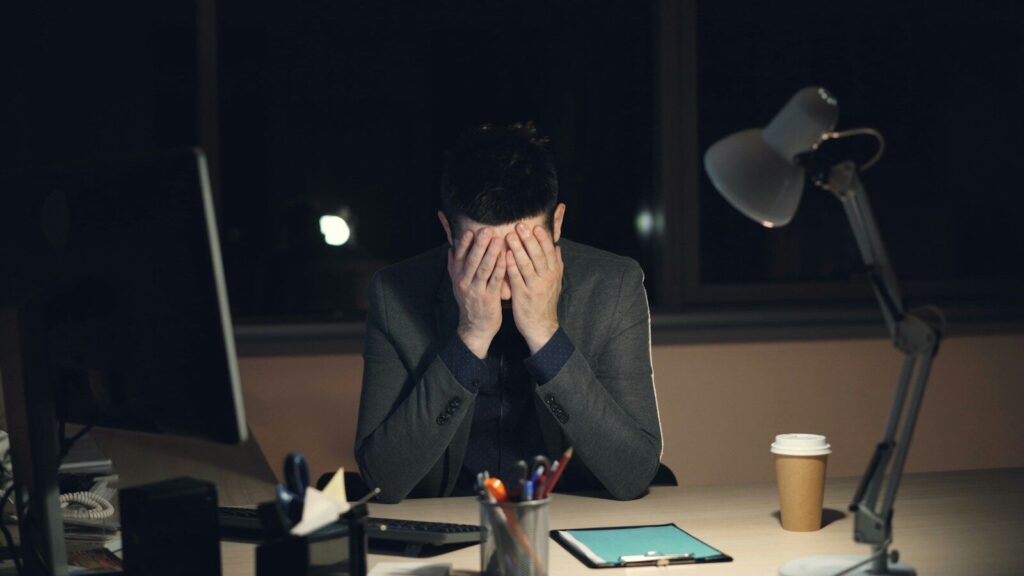
Man in suit sits at desk, head in hands

Article

Stress and Burnout: What Each Means and Why It Matters

Stress vs. burnout: learn how they differ, how stress can turn into burnout over time, and why knowing the difference helps you respond the right way.

Read the article

ocean waves crashing on shore during daytime

Article

Acute, Episodic, and Chronic Stress: How They Differ

Learn the three types of stress, acute, episodic acute, and chronic, how they differ in frequency and duration, and when stress needs more attention.

Read the article

Man rubbing his face in front of laptop

Article

Signs of Chronic Stress and Burnout to Watch For

Learn the burnout symptoms and signs of chronic stress to watch for, from exhaustion and cynicism to sleep problems, and when to reach out for help.

Read the article

a man in a white shirt and tie sitting on a couch

Article

Why Stress Builds Up: Common Pressures and Burnout Risk Factors

Learn the most common burnout risk factors, from heavy workloads and lack of control to caregiving and perfectionism, and why stress builds up over time.

Read the article

Stress and burnout resources

woman doing yoga meditation on brown parquet flooring

Stress & Burnout Workbook

The 7-Day Stress Reset Workbook

A guided workbook with one simple practice a day for seven days, to help you feel less stressed and find the tools that work best for you.

Get the workbook

Workbook

Coming soon

More Stress & Burnout resources are on the way

Check back soon for new workbooks and worksheets.

Common questions about stress and burnout

What is the difference between stress and burnout?

Stress usually feels like too much: too many demands, racing thoughts, a sense of urgency. Burnout feels more like too little: exhaustion, detachment, and a sense that nothing you do makes a difference. Burnout typically develops after long periods of unrelieved stress, especially at work or in caregiving roles.

What are the early signs of burnout?

Early signs of burnout include feeling tired even after rest, dreading work, becoming irritable or cynical, losing motivation, and finding it harder to concentrate. Some people also notice headaches, poor sleep, or getting sick more often. Catching these signs early makes recovery easier than waiting until you are completely depleted.

How long does it take to recover from burnout?

Burnout recovery varies widely. Mild burnout may improve within weeks once you rest and reduce demands, while severe burnout can take months. Recovery usually requires changing what caused it, such as workload, boundaries, or support, not just taking time off. Returning to the same conditions often brings burnout back.

Is burnout a medical diagnosis?

Not exactly. The World Health Organization recognizes burnout as an occupational phenomenon caused by chronic workplace stress, not as a medical condition, and it is not a diagnosis in the DSM-5. Burnout can overlap with depression and anxiety, so a professional can help sort out what you are experiencing.

Types of therapy often used for stress and burnout

What each approach is and how it helps with stress and burnout.

Related topics

Other topics people often explore alongside stress and burnout.

Free with registration

Register for free to get access to workbooks and resources

Download worksheets and exercises you can use on your own or between therapy sessions. We'll let you know when new ones are added.

Register free

Just your name and email. No password needed. Already registered? Log in

Contact a therapist

Ready to talk to someone?

You don't have to choose an approach on your own. A therapist can recommend one based on what you're going through and what you want from therapy. Learn how to find a therapist who's the right fit for you.

How to find a therapist